
 Voor 12u besteld, dezelfde dag verzonden, Ook levering op Zaterdag
Winkel
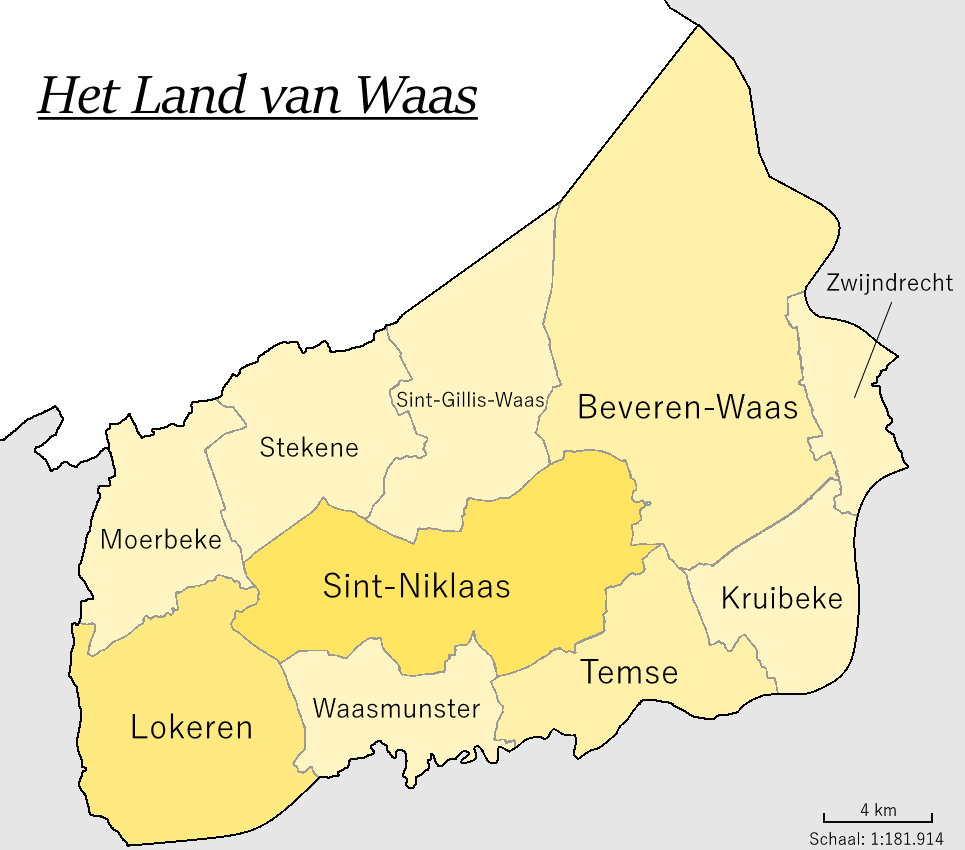
Woont u in het prachtige waasland dan hebben wij goed nieuws voor jullie…
Elke bestelling dat bij ons binnekomt voor 10u ’s ochtends
word dezelfde dag nog bij u geleverd.
Game on 🎯
How Betzoid Highlights Interesting Facts About UK Betting
The United Kingdom holds a unique position in the global betting landscape, boasting one of the oldest, most regulated, and most culturally embedded gambling traditions in the world. From the early days of horse racing wagers in the eighteenth century to the sophisticated digital platforms of today, UK betting has evolved through centuries of social change, legislative reform, and technological innovation. Understanding this rich history and the intricate facts that define the modern UK betting environment requires access to reliable, well-researched information. This is precisely where platforms dedicated to betting analysis and education play a crucial role, helping enthusiasts and newcomers alike navigate the complexities of an industry that generates billions of pounds annually and touches millions of lives across the nation.
The Historical Roots and Cultural Significance of UK Betting
Betting in the United Kingdom is not merely a pastime — it is a cultural institution woven into the social fabric of the nation for hundreds of years. The origins of organised wagering in Britain can be traced back to the seventeenth century, when horse racing became the sport of kings and aristocrats began placing formal wagers on race outcomes. The first recorded betting house in England appeared in the early 1700s, and by the Victorian era, gambling had spread across all social classes despite periodic attempts by authorities to suppress it.
The Betting and Gaming Act of 1960 marked a pivotal turning point in British gambling history. Prior to this legislation, off-course cash betting was illegal, forcing millions of working-class bettors to operate through illicit street bookmakers known as “bookies.” The 1960 Act legalised licensed betting shops, and within just three years of its passage, over 10,000 betting offices had opened across the country. This legislative shift fundamentally transformed the industry and established the framework that would govern UK betting for the following decades.
The cultural significance of betting in Britain extends beyond mere financial transactions. Events such as the Grand National, Cheltenham Festival, and Royal Ascot represent annual moments of national participation, where millions of people who rarely engage with betting throughout the year place small, ceremonial wagers. The Grand National alone attracts approximately 600 million viewers worldwide and sees an estimated 500 million pounds wagered globally on race day, demonstrating how deeply embedded these traditions remain in British cultural identity.
The introduction of the National Lottery in 1994 further democratised gambling in the UK, bringing it firmly into mainstream consciousness. By offering a government-sanctioned form of wagering accessible in every corner shop and supermarket, the lottery normalised the concept of paying for the chance of a financial return, subtly reshaping public attitudes toward risk and reward across generations.
How Betzoid Approaches UK Betting Facts and Analysis
In the modern information environment, where betting-related content ranges from superficial promotional material to genuinely educational analysis, platforms that prioritise factual accuracy and contextual depth stand apart. Betzoid has established itself as a resource that approaches UK betting from an informational perspective, highlighting facts, statistics, and trends that help readers develop a more sophisticated understanding of how the industry operates.
One of the most compelling aspects of Betzoid’s approach is its commitment to presenting regulatory and market data in accessible formats. The UK Gambling Commission, established under the Gambling Act 2005, oversees one of the most comprehensive regulatory frameworks in the world. The Commission’s annual statistics reveal fascinating insights: the UK gambling industry generates gross gambling yield figures that consistently exceed fourteen billion pounds per year, with online gambling now accounting for the largest single segment of that total. Remote betting, which includes online sportsbooks and casino platforms, has grown from a negligible fraction of the market in the early 2000s to representing well over half of all gambling activity by the early 2020s.
Readers seeking to understand the factual landscape of UK betting can benefit significantly from consulting resources like https://betzoid.com/, which aggregates and contextualises data about betting markets, operator practices, and industry developments in a manner that prioritises reader education over commercial promotion. This type of resource fills an important gap between raw regulatory data and the practical understanding that bettors need to make informed decisions.
Betzoid also draws attention to lesser-known but significant facts about UK betting behaviour. For instance, research indicates that the average UK adult spends approximately 200 pounds per year on gambling activities, though this figure masks considerable variation between casual participants and more frequent bettors. Football betting dominates the sports wagering market, accounting for roughly 40 percent of all sports bets placed in the UK, followed by horse racing, which despite its historical primacy has seen its relative market share decline as football’s global popularity has surged.
The platform’s analysis extends to exploring how responsible gambling measures have evolved in the UK. The introduction of mandatory affordability checks, deposit limits, and self-exclusion programmes like GAMSTOP — which has registered over 400,000 users since its 2018 launch — represents a significant shift in how the industry balances commercial interests with consumer protection obligations. These are precisely the kinds of substantive facts that Betzoid highlights to give readers a complete picture of the industry’s current state.
Key Statistics and Trends Defining Modern UK Betting
The statistical landscape of UK betting reveals an industry in constant transformation. According to data published by the UK Gambling Commission, there are currently over 2,300 licensed remote gambling operators serving the British market, a figure that reflects both the accessibility of the digital betting environment and the rigorous licensing standards that operators must meet to legally serve UK customers. This stands in stark contrast to the pre-internet era, when the market was dominated by a handful of large high-street bookmakers including Ladbrokes, William Hill, and Coral.
Mobile betting represents one of the most dramatic shifts in recent betting history. As recently as 2012, mobile devices accounted for a relatively small proportion of online betting activity. By 2023, mobile platforms had become the dominant channel for online wagering, with industry estimates suggesting that over 70 percent of all online bets in the UK are placed via smartphones or tablets. This technological transition has had profound implications for how operators design their products, how regulators approach advertising restrictions, and how researchers study problem gambling patterns.
Betzoid consistently highlights the geographic distribution of betting activity across the UK, which reveals important regional variations. Areas with higher unemployment rates and lower median incomes have historically shown higher rates of problem gambling, a correlation that has informed policy debates about the placement of betting shops and the targeting of advertising. The government’s decision to reduce maximum stakes on fixed-odds betting terminals from twenty pounds to two pounds in 2019 — a change that came after intense campaigning by anti-gambling groups — was directly influenced by evidence of the disproportionate impact these machines had on lower-income communities.
The emergence of in-play betting, also known as live betting, has fundamentally altered the dynamics of sports wagering. Betzoid’s coverage of this trend explains how in-play markets now account for a substantial majority of all sports bets placed in the UK, with some estimates suggesting figures as high as 70 to 80 percent of total sports betting turnover. This shift has been enabled by advances in data streaming technology and has created entirely new categories of betting markets that simply did not exist a decade ago, from next-goal scorers to the outcome of individual game moments measured in seconds.
Cryptocurrency and blockchain technology represent emerging frontiers that Betzoid tracks carefully in the context of UK betting. While the UK Gambling Commission currently requires licensed operators to process transactions in traditional currencies and maintain strict anti-money-laundering compliance, the question of how digital assets will eventually be integrated into regulated betting markets remains a subject of active regulatory discussion. Several major operators have begun exploring blockchain-based transparency tools that could allow bettors to verify the fairness of outcomes independently, a development with potentially significant implications for consumer trust.
The Regulatory Framework and Future Outlook for UK Betting
The United Kingdom’s approach to gambling regulation has long been regarded internationally as a model of balanced oversight, attempting to protect consumers from harm while preserving the freedom of adults to engage in legal leisure activities. The Gambling Act 2005, which replaced the outdated Betting, Gaming and Lotteries Act of 1963, created the Gambling Commission as an independent regulatory body and established a licensing system that has been incrementally strengthened in response to emerging challenges.
The Gambling Act Review, initiated by the UK government in 2020 and resulting in a White Paper published in April 2023, represents the most comprehensive reassessment of gambling regulation in nearly two decades. The White Paper proposed a series of significant reforms including statutory levy requirements on operators to fund research, education, and treatment services for problem gambling; enhanced affordability checks for high-spending customers; and tighter restrictions on gambling advertising, particularly content that might appeal to young people. Betzoid has provided detailed analysis of these proposed changes, helping readers understand both the rationale behind the reforms and their potential impact on the betting landscape.
One particularly interesting fact that Betzoid highlights is the scale of the problem gambling challenge in the UK. The NHS estimates that approximately 300,000 people in England alone experience problem gambling, defined as gambling that causes harm to the individual or their family. However, researchers have long argued that official figures significantly undercount the true prevalence, as problem gambling carries social stigma that discourages self-identification and help-seeking. The expansion of NHS-funded gambling treatment clinics from a single national facility to a network of regional centres represents a meaningful policy response to this public health dimension of the industry.
Looking forward, the UK betting market faces a complex set of challenges and opportunities. The ongoing consolidation of the industry — exemplified by major mergers such as the combination of Paddy Power and Betfair to form Flutter Entertainment, now one of the largest gambling companies in the world — suggests that the market will increasingly be dominated by a smaller number of very large operators with global scale. At the same time, the growth of betting exchanges, peer-to-peer wagering platforms, and emerging technologies continues to create space for innovation and new market entrants.
Betzoid’s ongoing documentation of these developments serves an important educational function, ensuring that the fascinating and often surprising facts about UK betting remain accessible to readers who want to understand this complex industry beyond the surface level of promotional content and marketing claims. The platform’s commitment to factual, contextual analysis reflects a broader recognition that an informed audience is ultimately better served than one kept in ignorance of the industry’s true dimensions.
Conclusion
The United Kingdom’s betting industry is a remarkable phenomenon — historically significant, economically substantial, and constantly evolving in response to technological change and regulatory development. From its origins in aristocratic horse racing wagers to its current manifestation as a sophisticated digital marketplace generating billions of pounds annually, UK betting offers a fascinating lens through which to examine broader questions of regulation, consumer behaviour, and cultural identity. Platforms like Betzoid contribute meaningfully to public understanding by surfacing the specific facts, statistics, and analytical insights that help readers engage with this complex subject thoughtfully, moving beyond surface impressions toward genuine comprehension of an industry that touches the lives of millions of British people every year.